Large-scale cleanup operations depend heavily on efficient transportation, logistics, and waste management systems to function effectively. Whether responding to industrial projects, construction debris, disaster recovery, demolition work, or regional waste removal efforts, the ability to move materials quickly and reliably plays a major role in operational success. Rail freight has become an increasingly important part of scalable cleanup operations because it allows companies and municipalities to transport massive quantities of waste, recyclable materials, and industrial byproducts across long distances more efficiently than many traditional transportation methods. As cleanup demands continue growing alongside urban development and infrastructure expansion, the relationship between rail freight and waste management systems becomes even more important for maintaining efficient and sustainable operations.
Scalable cleanup operations require systems capable of handling fluctuating volumes of debris and waste materials without creating transportation bottlenecks or unnecessary delays. Rail freight offers advantages in capacity, cost efficiency, and environmental impact, making it well suited for supporting high-volume cleanup projects. By connecting disposal facilities, transfer stations, recycling centers, and industrial sites, rail systems help streamline large-scale waste transportation while supporting broader logistics networks across multiple regions.
Rail Freight and High-Volume Material Transport
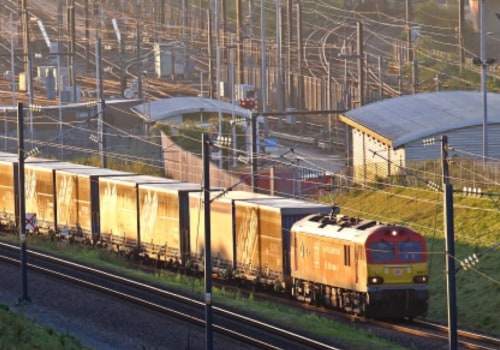
One of the biggest advantages of rail freight in cleanup operations is its ability to move large quantities of material in a single shipment. Construction debris, scrap metal, industrial waste, contaminated soil, and recyclable materials often require transportation on a scale that would otherwise involve hundreds of truckloads. Rail systems can reduce roadway congestion while improving transportation efficiency for long-distance hauling operations.
Cleanup projects tied to urban redevelopment, industrial shutdowns, or environmental restoration frequently generate enormous volumes of waste that must be transported safely and consistently. Rail freight helps support these efforts by providing dependable transportation infrastructure capable of handling bulk materials at a lower cost per ton compared to some trucking alternatives. This scalability allows cleanup operations to expand without placing excessive strain on local transportation networks.
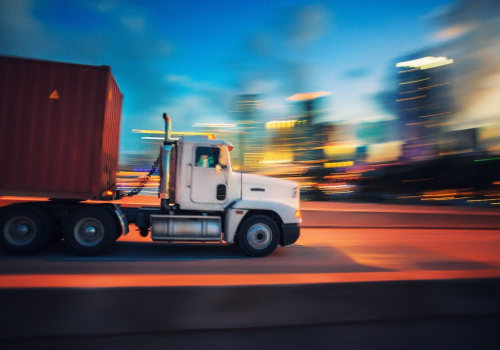
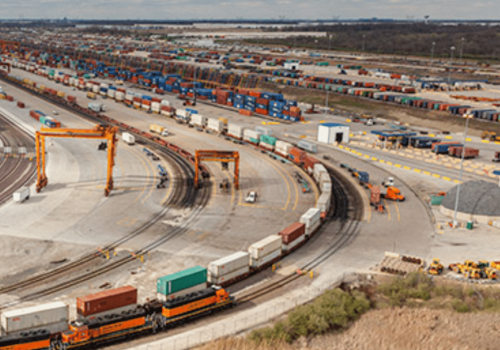
Intermodal logistics systems also contribute to the efficiency of rail-supported cleanup operations. Waste materials may initially be collected through local hauling services before being transferred to rail hubs for long-distance transport. This combination of localized collection and large-scale rail transportation creates a more flexible and adaptable system for handling varying cleanup demands.
Supporting Disaster Recovery and Infrastructure Projects
Rail freight becomes especially valuable during major disaster recovery and infrastructure cleanup efforts where transportation demands increase rapidly. Severe weather events, floods, industrial accidents, or demolition projects often generate large amounts of debris that must be removed quickly to support rebuilding and public safety efforts. Rail systems can help accelerate these operations by moving waste materials out of affected areas more efficiently.
Large infrastructure projects such as highway reconstruction, industrial site remediation, or commercial redevelopment also rely on scalable cleanup logistics to maintain project timelines. Construction and demolition waste must often be removed continuously throughout the project lifecycle, requiring transportation systems that can keep pace with ongoing operations.
Local hauling and disposal services remain essential parts of these systems because they handle collection, loading, and regional transport needs before waste reaches larger distribution networks. Companies offering solutions such as dumpster rental service in Easley, SC contribute to supporting localized cleanup efforts by helping residential, commercial, and construction clients manage debris efficiently before materials are transported through broader disposal or recycling channels.
Environmental and Efficiency Benefits
Rail freight is often recognized for its environmental advantages compared to relying exclusively on road transportation for large-scale hauling operations. Trains can move substantial amounts of cargo while consuming less fuel per ton-mile than many trucking methods, helping reduce emissions and improve transportation efficiency. As sustainability becomes a larger focus within construction, waste management, and industrial sectors, rail-supported logistics systems may continue gaining importance.
Recycling operations also benefit from rail freight integration because recyclable materials often need to be transported to specialized processing facilities located far from collection sites. Efficient rail transportation helps support recycling scalability while reducing some of the logistical challenges associated with handling high material volumes.
Additionally, rail systems can help reduce traffic congestion and roadway wear caused by heavy truck transportation associated with major cleanup projects. This contributes to broader infrastructure preservation and improved transportation flow in busy urban and industrial areas.
The Role of Coordination in Scalable Cleanup Operations
Successful cleanup operations require careful coordination between waste collection providers, transportation companies, disposal facilities, and logistics managers. Rail freight systems work most effectively when integrated into larger operational strategies that prioritize timing, routing efficiency, safety compliance, and environmental responsibility.
Technology also plays an increasingly important role in modern cleanup logistics. Tracking systems, scheduling software, and transportation analytics help companies coordinate material movement more effectively while reducing delays and improving operational visibility throughout the supply chain.
As urban development, infrastructure projects, and environmental cleanup efforts continue expanding, scalable waste management solutions will remain essential. Rail freight provides an important foundation for these operations by supporting efficient material transportation, reducing logistical strain, and enabling large-scale cleanup efforts to operate more effectively across regional and national networks.