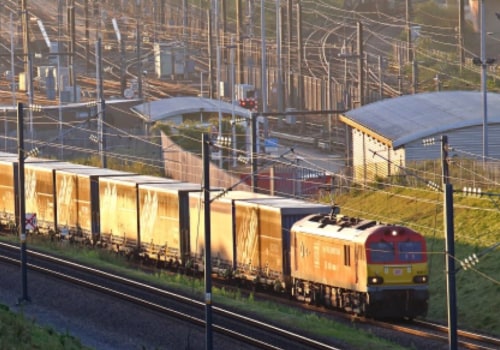
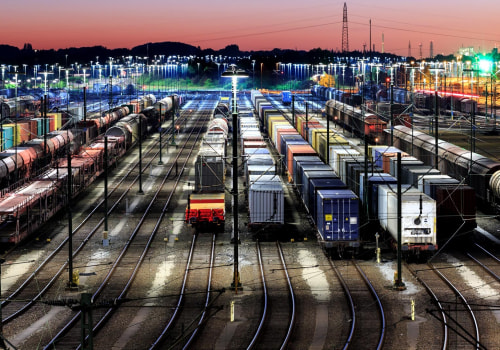
Rail freight services play a critical role in modern supply chains, especially when it comes to moving large volumes of raw materials and finished goods efficiently. Industries such as construction, manufacturing, agriculture, energy, and mining rely on rail networks to transport heavy and bulk commodities over long distances with consistency and reliability. Unlike road transport, rail offers the ability to move massive quantities in a single journey, reducing congestion, fuel consumption, and overall logistics costs. As global demand for materials continues to grow, rail freight has become an indispensable solution for businesses operating at scale.
Efficiency, Capacity, and Cost Advantages
One of the primary advantages of rail freight is its unmatched capacity. A single freight train can replace hundreds of trucks, allowing companies to consolidate shipments and streamline operations. This efficiency translates into lower per-unit transportation costs, making rail an attractive option for businesses handling high-volume or heavy cargo. Rail freight also offers predictable transit times, which is essential for industries that depend on precise scheduling and inventory management. By integrating rail into their logistics strategies, companies can achieve a balance between speed, cost control, and operational stability.
Supporting Diverse Industries and Materials
Rail freight services are designed to handle a wide range of materials, from coal, steel, and aggregates to agricultural products, chemicals, and consumer goods. Specialized railcars—such as hopper cars, tank cars, and flatcars—ensure that materials are transported safely and efficiently according to their unique requirements. This versatility allows rail operators to support diverse industries while maintaining high safety and compliance standards. As supply chains become more complex, rail freight provides a scalable foundation that can adapt to changing production and distribution needs.
Integration with Multimodal Logistics
Modern rail freight solutions rarely operate in isolation. Instead, they are integrated into multimodal logistics systems that combine rail, trucking, maritime, and warehousing services. This integration allows materials to move seamlessly from origin to destination, minimizing handling and delays. For example, rail is often used for long-haul transport, while trucks manage first-mile and last-mile delivery. Logistics providers specializing in coordination and heavy transport, including Hauling Ops, play a crucial role in ensuring that these transitions are efficient and well-managed, helping businesses maintain continuity across the entire supply chain.
Sustainability and Environmental Impact
Sustainability is another major factor driving the adoption of rail freight services. Rail transport is significantly more fuel-efficient than road transport on a per-ton-mile basis, resulting in lower greenhouse gas emissions. As companies face increasing pressure to reduce their environmental footprint, rail offers a practical way to support sustainability goals without compromising scale or reliability. Many organizations now view rail freight not just as a cost-saving measure, but as a strategic component of responsible supply chain management.
Technology and the Future of Rail Freight
Advancements in technology are further enhancing the effectiveness of rail freight services. Real-time tracking, automated scheduling, and data-driven optimization tools provide greater visibility and control over shipments. These innovations help businesses anticipate disruptions, improve planning accuracy, and respond quickly to market changes. As rail networks continue to modernize, their ability to support large-scale material movement will only strengthen.
Building Resilient Supply Chains at Scale
Rail freight services offer a proven, scalable solution for moving materials at scale in today’s demanding logistics environment. By combining capacity, efficiency, sustainability, and technological innovation, rail freight supports resilient supply chains capable of meeting long-term growth and operational challenges. For businesses seeking dependable solutions for large-volume transport, rail remains a cornerstone of strategic logistics planning.