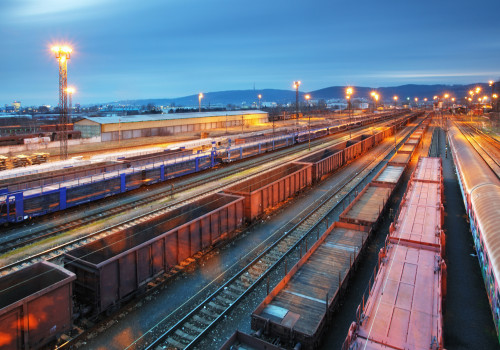
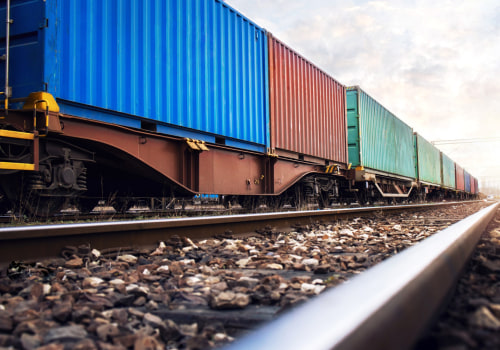
Rail freight services play an increasingly important role in modern waste removal and environmental management systems. As cities expand and industrial activity grows, the volume of construction debris, municipal solid waste, and recyclable materials continues to rise. Efficient transportation of these materials is critical to maintaining public health standards and supporting sustainable infrastructure planning. Rail freight offers a cost-effective and environmentally efficient solution for moving large quantities of waste over long distances, particularly from urban transfer stations to regional landfills or recycling facilities. By reducing the number of long-haul trucks on highways, rail transport lowers fuel consumption, decreases traffic congestion, and minimizes carbon emissions associated with waste hauling.
In metropolitan areas, waste transfer stations often serve as consolidation hubs where debris is collected before being loaded onto railcars. This multimodal approach enhances efficiency and supports large-scale infrastructure operations.
Integrating Rail with Local Collection Systems
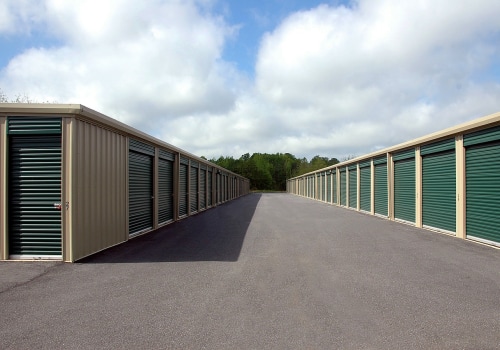
While rail freight handles bulk transport over extended distances, local collection systems remain essential for gathering waste from residential, commercial, and construction sites. Construction and renovation projects, for instance, generate significant debris that must be removed promptly to maintain safety and workflow continuity. Local waste management providers frequently supply containers that collect debris before it is transferred to centralized facilities.
A practical example of localized waste solutions is the use of a roll-off dumpster in Locust Grove, GA These containers allow contractors and property owners to manage waste efficiently at the source. Once filled, the debris can be transported to a transfer station, where materials are sorted and prepared for rail shipment to appropriate disposal or recycling centers. This coordinated system demonstrates how local waste collection and rail freight services complement one another within a comprehensive infrastructure framework.
Supporting Sustainable Infrastructure Planning
Smart infrastructure planning requires aligning transportation networks with environmental and community goals. Rail freight contributes significantly to sustainability initiatives by reducing greenhouse gas emissions per ton-mile compared to traditional trucking methods. When municipalities integrate rail into their waste management strategies, they create scalable systems capable of handling increasing volumes without overburdening roadways.
Additionally, rail-supported waste removal allows urban planners to design centralized processing facilities that serve broader regions. Instead of maintaining multiple smaller landfills near densely populated areas, cities can consolidate waste handling operations and rely on rail to move materials efficiently. This approach improves land use efficiency and minimizes environmental impact.
Enhancing Cost Efficiency and Long-Term Resilience
From a financial perspective, rail freight reduces long-distance transportation costs associated with waste removal. Lower fuel consumption and higher load capacities translate into measurable savings for municipalities and private waste management companies. These savings can be reinvested into recycling initiatives, environmental education programs, and infrastructure improvements.
Moreover, rail systems provide operational resilience during fuel price fluctuations or highway congestion. By diversifying transportation methods, waste management networks remain adaptable and reliable under varying economic and logistical conditions.
Ultimately, rail freight services are a vital component of smart infrastructure planning for waste removal. When integrated effectively with local collection tools and regional transfer systems, rail transportation enhances efficiency, sustainability, and long-term cost management. This coordinated approach ensures communities can manage growing waste demands responsibly while supporting broader environmental and infrastructure goals.