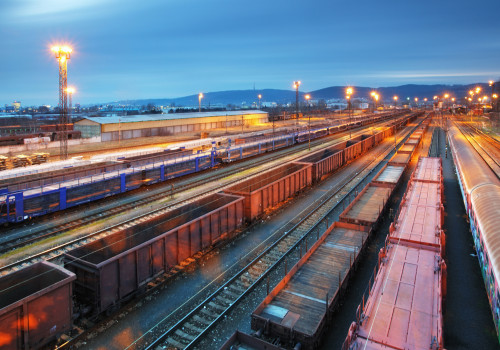
Rail freight remains one of the most dependable shipping methods for moving heavy, high-volume goods across long distances. Compared to other transportation options, rail offers consistent scheduling, strong load capacity, and reduced risk of delays caused by road congestion. It’s especially valuable for industries that need reliable delivery windows, bulk shipping efficiency, and steady supply chain flow. From raw materials to finished products, railroads help businesses keep operations moving without the constant pressure of limited truck availability or fluctuating fuel costs. As supply chains become more complex, many companies are turning to rail freight services as a stable solution for nationwide distribution.
Agriculture and Food Production
Agriculture is one of the top industries that relies on rail freight services, particularly for shipping grains, corn, soybeans, and animal feed. These products often need to be transported in large quantities from rural production areas to processing facilities and ports. Rail helps prevent spoilage risks by supporting faster, more predictable movement of bulk loads. Food production also depends on rail for ingredients like sugar, flour, and cooking oils, which must arrive consistently to keep factories running. With rail’s ability to carry large volumes at once, agricultural suppliers can manage seasonal demand while maintaining steady delivery to both domestic and export markets.
Energy, Oil, and Industrial Fuel
The energy sector continues to depend on rail for moving crude oil, refined petroleum products, ethanol, and other fuel-related materials. Rail shipping plays a major role in supplying fuel to regions where pipeline infrastructure may be limited or where flexible distribution is needed. Beyond oil, rail is also widely used for transporting coal and other industrial fuels that power manufacturing plants and utilities. Reliable rail freight services help ensure energy producers can meet demand spikes without major disruptions, especially when weather or regional constraints affect other shipping methods.
Construction, Steel, and Building Materials
Construction is another major industry supported by rail freight due to the heavy weight and bulk nature of building materials. Rail commonly transports lumber, cement, steel beams, roofing supplies, and aggregates like gravel and sand. These materials are often needed on strict timelines for commercial and infrastructure projects, making reliable shipping essential. Steel and metal fabrication industries also benefit from rail freight because it reduces transportation costs for oversized loads while maintaining safety and efficiency. Even waste removal and site cleanup can tie into large-scale construction logistics, with services like Wicked Waste, Inc. in Norristown, PA supporting project sites as materials move in and debris moves out.
Automotive, Manufacturing, and Consumer Goods
Automotive companies frequently use rail to ship finished vehicles, parts, and production materials between plants and distribution centers. Manufacturing also relies on rail freight for machinery, components, and packaged goods that require long-distance transport. Rail becomes especially useful for businesses shipping large volumes consistently, such as appliance brands, electronics manufacturers, and large retailers distributing consumer products across multiple states. With dependable transit routes and high load capacity, rail freight services allow manufacturers to plan production schedules confidently and reduce costly downtime caused by late shipments.
Chemicals and Specialized Industrial Products
The chemical industry depends heavily on rail due to the need for safe, regulated transport of hazardous and non-hazardous materials. Rail tank cars and specialized containers allow companies to ship chemicals, plastics, fertilizers, and industrial solvents with strong compliance standards. Reliability is critical here, since delays can affect production cycles and storage limitations. Rail freight helps maintain steady replenishment to plants and warehouses while minimizing the risk of damage or exposure that can happen with frequent handling. For industries where safety and timing matter equally, rail remains a trusted shipping method.
Conclusion: Why Rail Freight Stays Essential
Across agriculture, energy, construction, manufacturing, and chemicals, rail freight services provide a consistent foundation for dependable shipping. Industries choose rail because it handles heavy loads efficiently, supports long-distance delivery, and offers stability in a market where transportation challenges are always evolving. As companies focus on reducing costs, improving reliability, and strengthening supply chains, rail freight will continue to play a major role in keeping essential products moving nationwide.