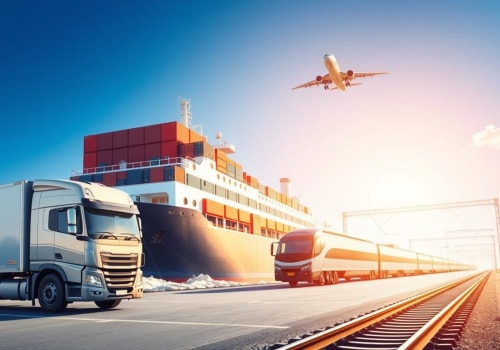
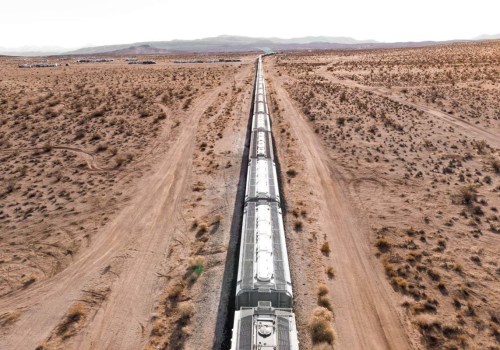
Rail freight services play a vital role in supporting large-scale industries, construction projects, and infrastructure development. Across many regions, rail transport remains one of the most reliable and cost-effective ways to move heavy materials over long distances. From steel beams and lumber to machinery and bulk aggregates, rail freight enables companies to transport massive loads efficiently while reducing traffic congestion and fuel consumption on highways. This reliability is especially important for construction sites and industrial job sites where consistent delivery of materials directly impacts project timelines. When supply chains function smoothly through rail networks, businesses can maintain steady progress without the delays that often occur with over-the-road freight alone.
Connecting Rail Networks to Job Site Operations
While rail freight handles the long-distance movement of materials, the real efficiency of a project comes from how these shipments connect to the final job site. Once railcars arrive at distribution yards or intermodal terminals, materials are transferred to trucks, cranes, or specialized equipment that deliver them directly to construction areas. This coordinated system ensures that large volumes of materials arrive in stages that match the pace of the project. Logistics managers must carefully plan delivery schedules, staging areas, and unloading procedures so that materials arrive exactly when crews need them. Poor coordination can lead to crowded job sites, unnecessary delays, and increased costs. When rail logistics and local transport are aligned, however, the entire workflow becomes smoother and far more predictable.
Supporting Construction and Infrastructure Projects
Major construction projects depend heavily on efficient freight networks. Rail systems are often used to move bulk materials like gravel, sand, cement, and structural components that would otherwise require dozens or even hundreds of truck trips. By consolidating these shipments into railcars, contractors reduce transportation costs and environmental impact while still ensuring a steady supply of materials. Once the shipments reach nearby rail yards, they are distributed to individual job sites using trucks and heavy-duty hauling equipment. At this stage, construction logistics teams coordinate additional support services such as equipment rentals, site storage, and waste removal. For example, contractors managing demolition or large cleanup tasks may rely on services like roll off dumpster rental in Arvada, CO to keep debris organized and safely removed while materials continue flowing into the site through established freight channels.
Coordination, Timing, and Efficiency
The success of rail freight logistics depends largely on coordination between multiple parties. Rail carriers, freight brokers, logistics planners, and construction project managers must all communicate clearly to ensure shipments are scheduled and delivered at the right time. Even a small delay can disrupt labor schedules or halt progress on critical phases of a build. Modern logistics systems now use advanced tracking technologies, digital freight platforms, and predictive scheduling tools to manage these complexities. These technologies allow project managers to track rail shipments in real time, adjust delivery schedules, and anticipate potential disruptions before they affect operations. As a result, companies can maintain tighter control over supply chains while minimizing downtime on the job site.
The Future of Rail Freight in Job Site Logistics
As infrastructure projects grow larger and sustainability becomes a greater priority, rail freight is likely to become even more important in construction logistics. Rail transport produces fewer emissions per ton of cargo compared to trucking, making it an attractive option for companies seeking to reduce their environmental footprint. Additionally, continued investment in rail infrastructure, intermodal terminals, and automated freight management systems will further improve the efficiency of these networks. By integrating rail freight with modern logistics planning and on-site operational support, industries can build faster, reduce costs, and keep complex projects running smoothly. In this way, rail freight services will continue to serve as a critical foundation for efficient job site operations across construction and industrial sectors.