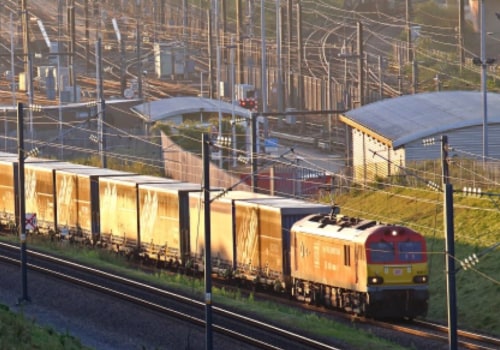
Rail freight transportation plays a vital role in moving large quantities of goods across regions while supporting supply chains and commercial industries. From agricultural products and construction materials to manufactured goods and retail merchandise, railway systems accommodate diverse cargo requiring careful handling. Proper organization is essential for ensuring shipments remain secure, accessible, and protected throughout transportation. Without effective cargo management, freight operators may experience damaged goods, loading delays, and unnecessary operational expenses. Establishing reliable handling procedures helps transportation companies maintain efficient workflows while reducing risks associated with moving heavy or sensitive materials across long distances.
Preventing Cargo Damage During Transportation
One of the primary concerns in rail freight transportation is protecting shipments from damage caused by movement, vibration, and shifting loads. Improperly secured cargo can become unstable during acceleration, braking, or travel along uneven tracks. Freight operators address these risks by using appropriate restraints, protective packaging, and carefully planned loading arrangements. Heavy materials should be positioned according to weight distribution requirements, while fragile goods need additional cushioning and support. Regular equipment inspections also help identify damaged containers, securing devices, or loading equipment that could compromise shipment safety.
Improving Storage and Inventory Organization
Effective cargo management begins before shipments are loaded onto railway cars. Warehouses and distribution centers must maintain organized storage areas to ensure products can be located, inspected, and prepared efficiently. Businesses managing overflow inventory or transportation supplies may explore additional storage options, including storage units in Irmo, when suitable for their operational requirements. These facilities may accommodate packaging materials, equipment, and nonhazardous supplies that do not require immediate access. Clear labeling, accurate inventory records, and designated storage sections help reduce confusion while supporting smoother cargo preparation and transportation scheduling.
Maintaining Workplace Safety During Loading Operations
Rail freight terminals involve heavy machinery, large shipping containers, and frequent equipment movement, making workplace safety particularly important. Improper cargo handling can expose employees to falling materials, unstable loads, and equipment-related hazards. Establishing standardized loading procedures helps minimize these risks. Workers should receive appropriate training in equipment operation, load securing, and material handling techniques. Maintaining clear pathways and designated loading zones also improves accessibility while reducing unnecessary obstacles. Consistent safety inspections help identify potential hazards before they result in accidents or operational disruptions.
Reducing Delays and Improving Transportation Efficiency
Disorganized cargo handling can create significant delays throughout railway transportation networks. Missing shipment information, incorrectly positioned goods, and inefficient loading sequences may interrupt scheduled departures. Freight operators can improve efficiency by implementing inventory tracking systems, coordinating loading schedules, and establishing clear communication between warehouse personnel and transportation teams. Organizing shipments according to destinations and unloading requirements also simplifies cargo transfers. These practices help minimize handling time while supporting more predictable delivery schedules.
Supporting Regulatory Compliance and Cargo Security
Rail freight operations must follow applicable transportation regulations, including requirements for cargo securement, hazardous materials, and equipment safety. Proper documentation and inspections help businesses maintain compliance while protecting shipments against loss or unauthorized access. Secure containers, accurate tracking records, and established handling procedures contribute to dependable transportation operations.
Strengthening Long-Term Freight Performance
Proper cargo handling and organization contribute to successful rail freight transportation by improving safety, protecting shipments, and supporting operational efficiency. Transportation companies that prioritize employee training, organized storage, and consistent handling procedures can reduce preventable delays and damage. Effective cargo management ultimately strengthens supply chain reliability while helping businesses maintain efficient and dependable freight services.