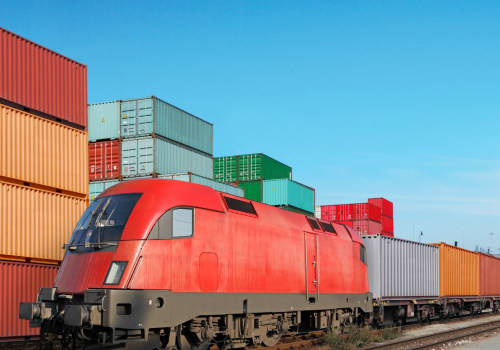
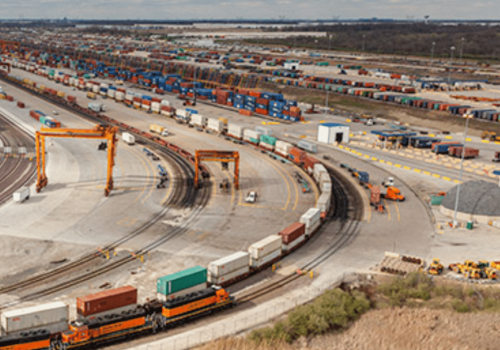
Rail freight services play a crucial role in modern supply chains, offering businesses a reliable method for transporting large volumes of goods over long distances. As companies look for efficient, cost-effective, and scalable logistics solutions, rail transport often emerges as a strong option. It is particularly valuable for industries that move bulk materials, manufactured products, or heavy equipment. However, like any transportation method, rail freight comes with both advantages and challenges that businesses must carefully evaluate before integrating it into their logistics strategy.
Key Advantages of Rail Freight Services
One of the most significant advantages of rail freight is cost efficiency for long-distance transportation. Trains can carry large quantities of goods in a single trip, which reduces the cost per unit compared to road or air transport. This makes rail freight especially appealing for businesses that regularly ship heavy or high-volume loads. Fuel efficiency is another major benefit, as trains consume less fuel per ton-mile than trucks, helping companies manage operating costs more effectively.
Rail freight is also known for its reliability and consistency. Rail networks operate on fixed schedules and dedicated tracks, reducing delays caused by traffic congestion or road conditions. This predictability allows businesses to plan inventory and production schedules with greater confidence. Additionally, rail transport is considered more environmentally friendly, producing lower greenhouse gas emissions per unit of cargo moved. For companies prioritizing sustainability, this can be an important factor in meeting environmental goals and corporate responsibility standards.
Capacity and Scalability for Growing Businesses
Another advantage of rail freight is scalability. As a business grows, rail services can accommodate increased shipment volumes without requiring major changes to infrastructure or processes. This is particularly useful for manufacturers, distributors, and companies involved in large-scale operations. Rail freight can also integrate with intermodal systems, combining rail with truck transport to provide flexible solutions that reach a wide range of destinations. This flexibility supports complex logistics needs while maintaining efficiency.
Challenges Businesses Must Consider
Despite its strengths, rail freight is not without challenges. One of the most common limitations is reduced flexibility compared to trucking. Rail transport typically requires access to rail terminals, which may not be located near a business’s facilities. This often means additional truck transport is needed for first-mile and last-mile delivery, adding complexity and potential costs. Businesses must coordinate carefully to ensure smooth transitions between transport modes.
Transit time can also be a challenge for certain industries. While rail is reliable, it is generally slower than air transport and may not be suitable for time-sensitive shipments. Scheduling constraints and potential delays due to network congestion, maintenance, or weather conditions can affect delivery timelines. For businesses operating on tight deadlines, these factors must be weighed carefully.
Infrastructure and Planning Requirements
Successful use of rail freight services requires thorough planning and coordination. Businesses need to understand rail schedules, terminal operations, and loading requirements. Proper packaging and handling are essential to protect goods during transit, especially when shipments involve multiple transfer points. Companies undergoing expansion, relocation, or major operational changes—such as those planning commercial relocation in Austin must account for how rail freight fits into their broader logistics and transportation strategy.
Risk Management and Security Considerations
Rail freight generally offers a high level of security due to controlled rail yards and limited access points, but risks still exist. Businesses must consider insurance coverage, tracking capabilities, and contingency plans for unexpected disruptions. Clear communication with rail service providers helps mitigate these risks and ensures accountability throughout the shipping process.
Making an Informed Decision
Rail freight services offer businesses a powerful combination of cost efficiency, capacity, and environmental benefits. However, challenges related to flexibility, transit time, and coordination require careful evaluation. By understanding both the advantages and limitations, businesses can determine whether rail freight aligns with their operational needs. When used strategically and supported by strong planning, rail freight can become a valuable component of a resilient, efficient, and scalable logistics system.