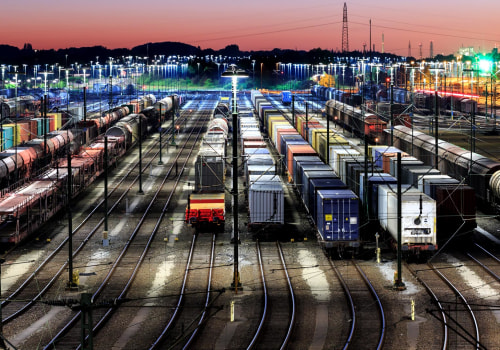
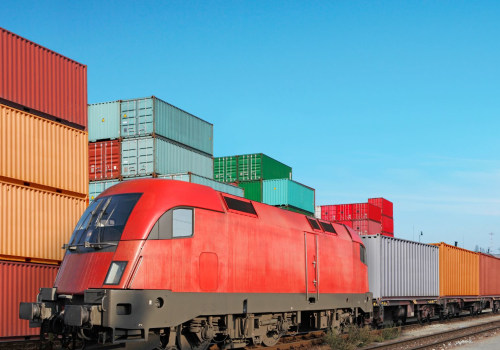
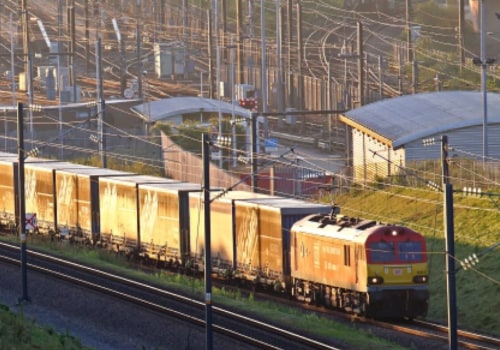
Rail freight is a critical component of the global logistics network and can be a strategic option for businesses transporting large volumes of goods over long distances. It is particularly well suited for heavy, bulk, or non-time-sensitive shipments such as raw materials, agricultural products, chemicals, and industrial equipment. Before choosing rail freight, businesses should understand how it differs from trucking or air transport in terms of cost structure, speed, flexibility, and infrastructure requirements. Rail offers reliability and efficiency, but it also requires careful planning to ensure it aligns with operational goals.
Cost Efficiency and Volume Considerations
One of the primary advantages of rail freight is cost efficiency, especially for high-volume shipments. Rail transport typically offers lower per-unit costs than trucking when moving large quantities over long distances. Fuel efficiency and the ability to move substantial loads in a single trip contribute to these savings. However, rail may not be cost-effective for smaller shipments or short distances. Businesses must evaluate shipment size, frequency, and distance to determine whether rail provides a true financial advantage compared to other transportation modes.
Transit Time and Scheduling Realities
While rail freight is reliable, it is generally slower than trucking or air freight. Transit times are influenced by rail schedules, network congestion, and the need for transfers between rail and other transport modes. Businesses should assess whether their supply chain can accommodate longer lead times and less flexible scheduling. Rail is best suited for predictable shipping cycles rather than urgent or just-in-time deliveries. Understanding these timing constraints helps prevent disruptions and unmet customer expectations.
Infrastructure and Accessibility
Rail freight depends heavily on infrastructure access. Not all facilities are located near rail terminals or sidings, which may require additional trucking to move goods between the rail yard and the final destination. This “first mile” and “last mile” transport can add complexity and cost. Businesses involved in construction, renovation, or large-scale cleanouts—such as those working with Junk Bee Gone often recognize the importance of coordinating multiple logistics services to keep projects efficient. Similarly, rail freight users must plan for seamless integration with road transport to maximize efficiency.
Environmental Impact and Sustainability
Rail freight is widely recognized as one of the most environmentally friendly freight transportation options. Trains produce significantly lower greenhouse gas emissions per ton-mile than trucks, making rail an attractive choice for businesses focused on sustainability and corporate responsibility. Choosing rail can support environmental goals while also enhancing brand reputation among eco-conscious customers and partners. For companies seeking to reduce their carbon footprint without sacrificing capacity, rail freight offers a compelling balance of performance and sustainability.
Risk Management and Cargo Suitability
Not all goods are ideal for rail transport. Businesses should consider cargo sensitivity, security requirements, and handling needs. Rail freight is well suited for durable, high-volume goods but may be less appropriate for fragile or high-value items requiring constant monitoring. Weather exposure, transfer points, and limited access during transit are factors that should be evaluated. Proper packaging, insurance coverage, and clear contracts with rail providers help mitigate potential risks.
Making an Informed Logistics Decision
Before choosing rail freight, businesses should conduct a comprehensive analysis of costs, timelines, infrastructure access, and cargo characteristics. Rail can be a powerful logistics solution when aligned with the right operational needs, offering efficiency, sustainability, and scalability. By understanding both its advantages and limitations, businesses can integrate rail freight strategically into their supply chain and achieve more reliable, cost-effective transportation outcomes.