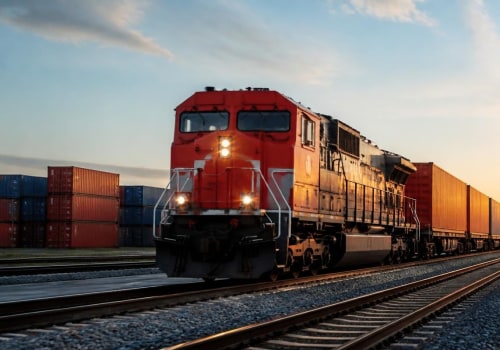
Rail freight services have become a vital component for businesses seeking dependable and scalable logistics solutions, particularly when paired with efficient storage integration. As companies expand their operations and manage larger volumes of goods, the need for reliable transportation becomes increasingly critical. Rail freight offers a consistent and cost-effective method for moving bulk shipments across long distances, making it an ideal choice for industries such as manufacturing, retail, and distribution. Its ability to operate on fixed schedules and handle large capacities ensures that businesses can maintain a steady flow of inventory without the unpredictability often associated with other transportation methods.
Seamless Integration with Storage Networks
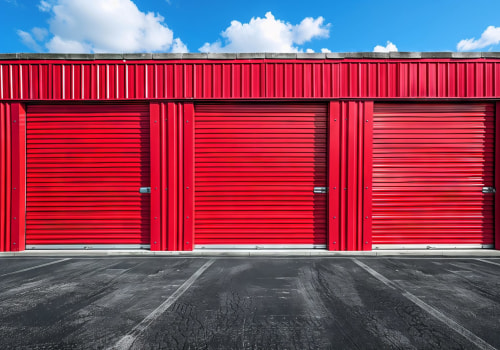
One of the most significant advantages of rail freight is its ability to integrate seamlessly with modern storage networks. Businesses no longer rely on a single warehouse but instead utilize multiple storage facilities strategically located near key markets and transportation hubs. Rail terminals are often positioned close to these storage centers, allowing for efficient transfer of goods from train to warehouse. Facilities like Flintlock Storage exemplify how storage providers can align their operations with rail schedules, ensuring that incoming shipments are processed quickly and efficiently. This integration reduces handling times, minimizes delays, and creates a more streamlined supply chain where goods move smoothly between transportation and storage.
Enhancing Inventory Management and Efficiency
Rail freight services play a crucial role in improving inventory management by enabling businesses to move large quantities of goods in a single shipment. This bulk transportation approach allows companies to maintain consistent inventory levels across multiple storage locations, reducing the risk of shortages or overstocking. With predictable delivery schedules, businesses can plan their storage needs more accurately, ensuring that space is used efficiently and resources are allocated effectively. The ability to synchronize rail deliveries with storage operations also helps reduce congestion in warehouses, allowing for better organization and faster processing of goods.
Cost Efficiency and Sustainability Benefits
Cost efficiency is a major factor driving the adoption of rail freight services. Compared to other modes of transportation, rail offers lower costs per unit for long-distance shipments, making it an attractive option for businesses looking to optimize their logistics budgets. Additionally, rail transport is more environmentally friendly, producing fewer emissions per ton of cargo. This sustainability advantage aligns with the growing emphasis on eco-friendly business practices and helps companies reduce their carbon footprint. By combining rail freight with efficient storage solutions, businesses can achieve both financial and environmental benefits, strengthening their overall operational strategy.
Supporting Scalability and Business Growth
As businesses grow, their logistics needs become more complex, requiring solutions that can scale alongside their operations. Rail freight provides the capacity and reliability needed to support this growth, allowing companies to handle increasing volumes without compromising efficiency. When integrated with flexible storage options, businesses can expand their reach and adapt to changing market demands. This scalability ensures that companies can continue to meet customer expectations while maintaining control over their supply chain processes.
Building a Reliable and Connected Logistics System
Ultimately, rail freight services offer a powerful solution for businesses seeking reliable storage integration. By combining the strengths of rail transportation with strategically located storage facilities, companies can create a logistics system that is both efficient and resilient. This interconnected approach ensures that goods are transported, stored, and distributed with minimal disruption, enabling businesses to operate smoothly in an increasingly competitive market. As logistics continues to evolve, rail freight will remain a key driver of innovation, helping businesses achieve greater efficiency, reliability, and long-term success.