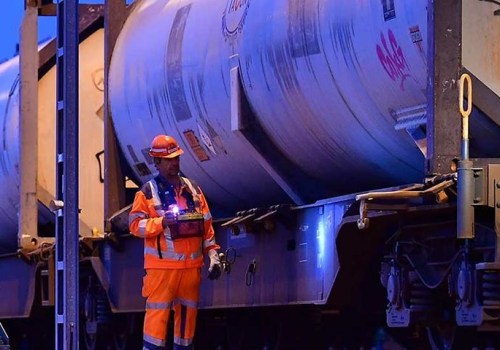
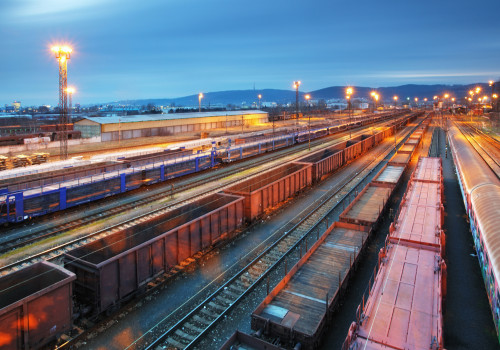
Rail freight services remain a powerful driver of economic activity within urban environments. By transporting bulk materials, consumer goods, and industrial equipment efficiently across long distances, rail networks help cities function as key distribution and manufacturing hubs. Intermodal terminals located near metropolitan areas often attract warehouses, logistics parks, and light industrial operations. As rail connectivity strengthens, surrounding neighborhoods frequently experience commercial expansion and increased employment opportunities. This steady economic movement influences not only large-scale industrial real estate but also the growth patterns of urban self storage facilities.
Rail infrastructure tends to create stable, long-term commercial corridors. Businesses that rely on predictable freight schedules often establish operations nearby, forming clusters of activity that stimulate demand for adaptable property solutions.
Business Activity and Flexible Storage Demand
As rail freight delivers inventory into cities, small and mid-sized businesses step in to manage distribution. Many of these operators do not require expansive warehouses but still need secure, accessible space to handle fluctuating inventory levels. Urban self storage facilities provide an efficient solution, offering manageable unit sizes and flexible leasing terms.
For example, a facility like All Locked Up can support entrepreneurs who receive shipments via rail and need temporary space before goods are distributed to retail outlets or customers. Contractors working on rail-linked construction projects may also use storage units for tools and materials between job phases. This connection between rail-driven supply chains and storage flexibility strengthens occupancy levels in strategically located urban facilities.
Residential Density and Transitional Storage Needs
Rail freight services also contribute indirectly to urban population growth. As transportation hubs expand and new employment opportunities arise, more residents move into surrounding areas. Increased urban density often means smaller living spaces, particularly in apartment complexes and mixed-use developments. Limited residential storage capacity creates steady demand for off-site storage solutions.
In addition, individuals relocating for logistics-related jobs may require temporary storage during transitions. Whether waiting for permanent housing or downsizing closer to work, residents often seek convenient storage facilities within city limits. The presence of strong rail freight infrastructure supports this cycle of economic activity and population mobility, which in turn fuels sustained demand for storage space.
Investment Trends and Long-Term Stability
Urban self storage growth trends frequently align with transportation infrastructure development. Rail corridors provide predictable commercial anchors that attract complementary real estate investment. Developers evaluating potential storage sites often examine proximity to rail terminals and freight-related business clusters.
Because rail networks are long-standing infrastructure assets, they contribute to market stability. Regions with active rail freight services typically maintain consistent commercial flow, reducing volatility in storage demand. Self storage facilities located near these corridors benefit from diversified customer bases that include contractors, retailers, service providers, and residents.
Ultimately, rail freight services and urban self storage facility growth are interconnected elements of modern economic ecosystems. Rail networks drive commerce and population movement, while storage facilities offer the flexible space necessary to support both business operations and residential transitions. This synergy positions urban storage properties to capitalize on ongoing transportation-driven development trends, fostering long-term resilience and sustained market relevance.