Efficient freight logistics depend heavily on the coordination between different transportation modes, especially when rail freight is combined with ground transportation solutions. Rail systems are widely used for long-distance shipping because they offer cost efficiency, environmental advantages, and the ability to transport large quantities of goods at once. However, rail alone cannot complete the entire delivery process. Freight must often move between rail terminals, distribution centers, warehouses, and final destinations using trucks and other ground transportation options. Coordinating these systems effectively ensures that goods arrive on time, supply chains remain efficient, and businesses can maintain reliable operations across regional and national markets.
Connecting Rail Freight With Last-Mile Transport
Rail freight excels at moving bulk shipments across long distances, but the challenge often lies in the “first mile” and “last mile” segments of the logistics process. These segments involve transporting goods from manufacturing facilities to rail terminals and then from rail yards to final delivery points. Ground transportation solutions such as freight trucks, delivery vans, and specialized cargo vehicles play a critical role in bridging this gap. When properly coordinated, the transition from rail to road transport becomes seamless, reducing delays and preventing costly disruptions in the supply chain.
Logistics managers often rely on scheduling software and real-time tracking systems to synchronize rail arrival times with truck dispatch schedules. This coordination allows freight handlers to quickly unload rail cars and transfer shipments to waiting trucks without unnecessary storage delays. Efficient scheduling also helps reduce congestion at rail terminals, which can become major bottlenecks if transportation partners are not aligned in their timing and communication.
Strategic Planning for Efficient Distribution
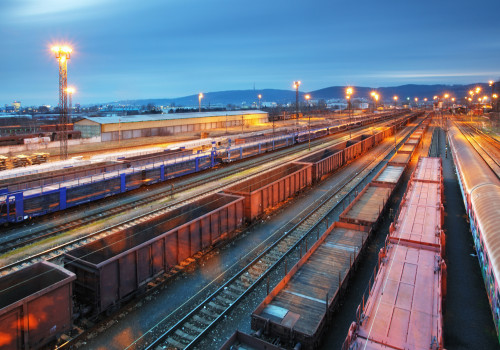
Effective coordination between rail freight and ground transportation requires careful planning and collaboration between multiple stakeholders. Rail carriers, trucking companies, logistics providers, and warehouse operators must work together to create streamlined transportation plans that prioritize speed and reliability. Distribution hubs located near major rail lines often serve as central transfer points where goods are sorted, repackaged, and dispatched to regional destinations.
In addition to cargo transportation, logistics planning sometimes includes coordinating travel arrangements for executives, inspectors, or operations managers who oversee freight operations across multiple locations. In these cases, dependable transportation services are essential to ensure that personnel can move efficiently between rail yards, offices, and meeting locations. For instance, business travelers managing transportation operations in major cities may rely on services like Austin Choice Executive Sedan and Limo's black car service when attending logistics meetings, site inspections, or industry events. Reliable passenger transportation can help support the broader coordination efforts required in complex freight networks.
Technology’s Role in Transportation Coordination
Modern logistics operations rely heavily on technology to maintain smooth coordination between rail and ground transportation systems. Transportation management systems (TMS) allow logistics teams to track shipments in real time, optimize routes, and adjust schedules when unexpected delays occur. GPS tracking, automated dispatching, and predictive analytics help companies anticipate potential disruptions and reroute shipments if necessary.
Data integration between rail carriers and trucking companies also improves transparency across the supply chain. By sharing shipment status updates and scheduling information, logistics teams can quickly respond to changing conditions such as weather disruptions, equipment issues, or shifting customer demand. This level of communication helps prevent downtime and ensures that freight continues moving efficiently from origin to destination.
Building a Reliable Multimodal Supply Chain
The coordination of rail freight services with ground transportation solutions is essential for building a reliable and flexible supply chain. Businesses that successfully integrate these transportation modes benefit from lower shipping costs, improved delivery reliability, and increased operational efficiency. Rail provides the strength of long-distance, high-volume transport, while trucks and ground vehicles provide the flexibility needed for local and regional distribution.
By investing in strong partnerships, advanced logistics technology, and strategic planning, companies can create transportation networks that maximize the advantages of both rail and road systems. When these elements work together seamlessly, businesses can ensure that goods move smoothly across complex supply chains, meeting customer demands while maintaining efficiency and reliability in an increasingly competitive logistics landscape.