Rail freight services continue to play a key role in long-distance shipping across the U.S. because they offer a reliable way to move heavy cargo efficiently over thousands of miles. While trucking dominates short-haul and last-mile deliveries, rail provides the backbone for transporting bulk commodities and large volumes of goods between regions. Rail networks connect ports, industrial centers, agricultural hubs, and major distribution corridors, helping businesses maintain steady supply chains even when fuel prices rise or highway congestion increases. For companies shipping across multiple states, rail freight creates a cost-effective alternative that supports consistent transit times and dependable capacity.
The Power of Moving More in One Trip
One of the biggest advantages of rail freight is sheer capacity. A single train can carry the equivalent of hundreds of trucks, making it ideal for industries that move heavy or high-volume shipments. Common rail freight cargo includes lumber, steel, cement, grain, chemicals, automobiles, and consumer goods shipped in containers. Because trains are built to handle weight and volume, businesses can transport larger loads with fewer shipments, reducing scheduling complexity and minimizing the risk of delays caused by limited driver availability. This efficiency becomes even more important during peak seasons, when trucking capacity tightens and rates can climb quickly.
Rail Freight Supports Intermodal Shipping Across the Country
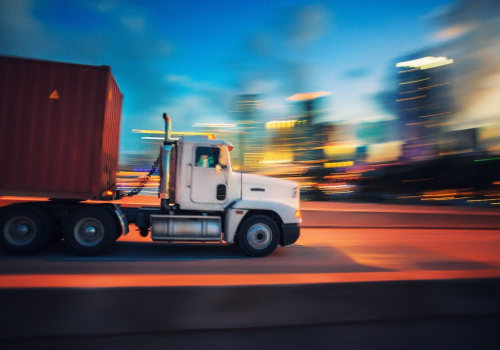
Rail freight services are especially effective when combined with intermodal shipping, which uses multiple transportation methods—typically rail for long-distance movement and trucks for pickup and final delivery. Intermodal freight moves in standardized containers that can transfer from truck chassis to railcars with minimal handling of the cargo itself. This reduces the risk of damage, improves security, and keeps freight moving smoothly across long routes. Intermodal hubs across the U.S. allow shipments to shift quickly between rail lines and local trucking providers, making it possible for businesses to ship coast-to-coast with better cost control than trucking alone.
Reliability, Predictability, and Long-Distance Efficiency
For many companies, the biggest value of rail freight is predictability. Trains travel on fixed routes with established schedules, and they aren’t affected by the same traffic bottlenecks that slow down highway transport. While rail can still experience delays from weather or network congestion, it often provides more consistent performance for long-haul freight, especially when shipments are planned in advance. Rail is also more fuel-efficient per ton-mile than trucks, which can help businesses manage transportation budgets and support sustainability goals. Over time, these advantages make rail freight an important option for companies that need stable long-distance shipping performance.
How Rail Freight Strengthens Industrial and Commercial Supply Chains
Rail freight services support many of the industries that keep the U.S. economy running. Manufacturers rely on rail to move raw materials to factories and ship finished products to distribution centers. Construction suppliers depend on rail for heavy building materials like steel and aggregates. Agriculture uses rail to transport grain and feed products across regions and toward ports for export. Even large retail supply chains use rail to move containers filled with consumer goods from coastal ports to inland warehouses. As shipments move through these networks, efficiency at shipping yards, warehouses, and job sites becomes essential—clean staging areas, organized loading zones, and timely waste removal all contribute to smoother freight operations, sometimes supported by services like roll off dumpster rentals in Carlisle, MA when debris or packaging waste needs to be managed quickly.
Conclusion: Rail Freight Keeps Long-Distance Shipping Moving
Rail freight services remain a powerful solution for long-distance shipping across the U.S. because they deliver high capacity, cost efficiency, and strong intermodal flexibility. By moving large volumes over long distances with predictable routes, rail helps businesses reduce shipping costs, improve supply chain stability, and meet delivery demands across regional markets. When combined with trucking for first- and last-mile delivery, rail freight becomes an essential part of modern logistics—supporting everything from raw materials and manufacturing to retail distribution and national infrastructure growth.