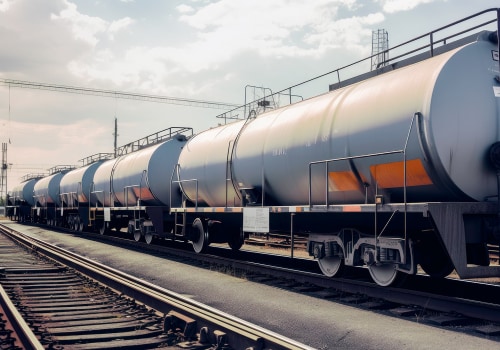
Rail freight transportation plays an essential role in moving large quantities of goods across regional and national supply chains. It offers businesses an efficient solution for transporting heavy equipment, raw materials, automobiles, and commercial products over long distances. However, rail shipping also presents challenges that can affect delivery schedules, cargo safety, and operational efficiency. Logistics companies must carefully coordinate transportation activities, manage unexpected disruptions, and implement reliable strategies to maintain consistent service quality. Understanding these challenges helps businesses make informed shipping decisions while minimizing potential risks.
Managing Delays and Scheduling Complications
One of the most common challenges in rail freight transportation involves unexpected delays caused by weather conditions, track maintenance, congestion, and equipment availability. Unlike road transportation, trains operate along established railway networks, limiting opportunities for alternative routes.
Logistics companies address these challenges through careful scheduling, shipment monitoring, and communication with railway operators. Advanced tracking systems provide visibility into cargo movements, allowing transportation coordinators to identify potential disruptions.
Establishing realistic delivery expectations and maintaining flexible transportation arrangements can help businesses minimize the impact of unexpected delays.
Protecting Cargo From Damage During Transportation
Rail freight frequently involves transporting heavy, oversized, or sensitive cargo that requires specialized handling. Improper loading, inadequate securing methods, and repeated handling during transfers can increase the likelihood of shipment damage.
Professional logistics providers use appropriate loading equipment, protective packaging, and securement systems to stabilize cargo throughout transportation. They also conduct inspections before dispatch to identify potential safety concerns.
For automotive shipments, cleanliness can support accurate condition assessments. Vehicle owners maintaining regular cleaning routines through an unlimited car wash service may find it easier to document scratches, dents, and other existing imperfections before transportation.
Proper documentation helps establish cargo condition and supports more transparent shipping procedures.
Addressing Infrastructure and Capacity Limitations
Railway networks depend on established tracks, terminals, and freight handling facilities. Limited infrastructure availability can create bottlenecks, particularly during periods of increased shipping demand.
Logistics companies address capacity constraints by planning shipments in advance, coordinating with multiple transportation partners, and selecting suitable freight routes.
Intermodal transportation, which combines rail services with trucking, provides additional flexibility when cargo destinations lack direct railway connections. This approach allows businesses to benefit from rail transportation while maintaining access to distribution centers and final delivery locations.
Improving Communication and Shipment Visibility
Limited communication between shippers, railway operators, and receiving facilities can create uncertainty throughout the transportation process. Without accurate shipment updates, businesses may struggle to coordinate inventory management and delivery arrangements.
Logistics providers increasingly rely on digital tracking platforms, automated notifications, and centralized communication systems to improve shipment visibility.
Regular updates help customers understand transportation progress, anticipate delays, and prepare for cargo arrivals. Effective communication also supports faster problem resolution when unexpected complications occur.
Controlling Transportation Costs and Operational Expenses
Rail freight can provide cost advantages for large shipments, but additional expenses may arise from terminal handling, storage fees, equipment shortages, and delivery delays.
Logistics companies manage these costs through route optimization, shipment consolidation, and careful transportation planning. Comparing available freight options helps businesses identify solutions that balance affordability with dependable service.
Building More Reliable Rail Freight Operations
Successfully managing rail freight challenges requires effective planning, reliable communication, and consistent cargo protection. Logistics companies that prioritize shipment visibility, preventive inspections, and flexible transportation strategies are better equipped to address operational disruptions.
By combining experienced personnel with modern logistics technology, transportation providers can improve delivery coordination, reduce unnecessary expenses, and support dependable freight movement across complex supply chains.