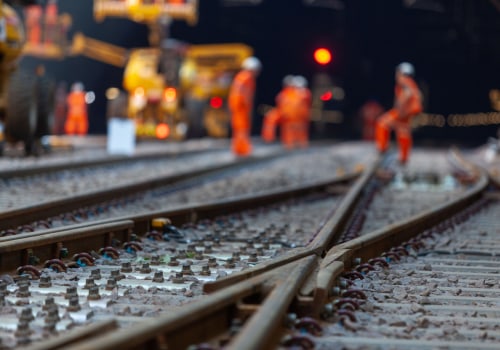
Rail freight is an important part of the transportation network, particularly for businesses moving large quantities of goods across long distances. However, shipments can experience delays caused by congestion, infrastructure maintenance, severe weather, equipment problems, or scheduling conflicts. Because rail networks operate according to established routes and timetables, unexpected disruptions may affect multiple shipments at once. Businesses can reduce the impact of delays by allowing reasonable flexibility in delivery schedules and maintaining clear communication with logistics providers. Real-time shipment tracking can also provide greater visibility, allowing companies to respond more quickly when estimated arrival times change and communicate updated information to customers or distribution partners.
Addressing Limited Route Flexibility
Unlike trucks, trains cannot travel directly to every warehouse, factory, retail location, or distribution center. Rail freight depends on established tracks and terminals, meaning additional transportation is often required to complete the first or final portion of a shipment. This challenge can be addressed through intermodal transportation, where rail services are combined with trucking or other transportation methods. Effective coordination between providers is essential for preventing unnecessary waiting periods during transfers. Transportation solutions such as LimoFi can fit within a broader logistics environment where businesses evaluate different options for moving people or goods efficiently between locations and transportation points. Careful route planning helps organizations determine when rail offers practical advantages and where other transportation methods may be required.
Handling Capacity and Equipment Availability
Rail freight demand can fluctuate throughout the year, especially during agricultural seasons, holidays, manufacturing peaks, or periods of increased international trade. Businesses may encounter limited access to railcars, containers, or terminal capacity during high-demand periods. Planning shipments well in advance can reduce the likelihood of capacity problems. Companies with predictable shipping volumes may also benefit from establishing longer-term relationships with transportation providers. Accurate forecasting allows logistics teams to reserve equipment earlier and identify alternative arrangements before capacity becomes limited.
Protecting Cargo During Transportation
Although rail can provide an efficient method for transporting heavy or bulk goods, cargo must still be prepared properly for the journey. Movement, vibration, temperature changes, and repeated handling during intermodal transfers can potentially affect certain products. Appropriate packaging, secure loading methods, container selection, and cargo restraints can help minimize damage. Temperature-sensitive or fragile goods may require specialized equipment and additional monitoring. Businesses should clearly communicate cargo requirements to logistics providers so appropriate transportation and handling procedures can be arranged.
Improving Shipment Visibility
Limited information about a shipment's location can make inventory planning and customer communication more difficult. Modern tracking technologies can improve visibility by providing updates throughout the transportation process. Businesses can integrate tracking information into supply chain management systems to monitor estimated arrival times and identify potential disruptions. Maintaining accurate shipment records also helps logistics teams evaluate recurring delays and determine whether particular routes or terminals require alternative planning.
Controlling Total Transportation Costs
Rail freight can be cost-effective for certain long-distance and high-volume shipments, but companies should consider the complete transportation process rather than rail rates alone. Terminal fees, loading and unloading expenses, storage, drayage, and final-mile transportation can increase total costs. Comparing complete route expenses helps businesses determine whether rail, trucking, or an intermodal solution provides the greatest value for a specific shipment.
Building a More Resilient Freight Strategy
Overcoming rail freight challenges requires preparation, flexibility, and reliable communication. Businesses can develop contingency plans for delays, maintain relationships with multiple transportation providers, forecast capacity needs, and use tracking technology to improve visibility. Reviewing past shipping performance can also reveal recurring problems and opportunities for improvement. Rail freight remains a valuable option for moving substantial volumes over long distances, but its effectiveness depends on thoughtful integration with the wider supply chain. By planning for route limitations, capacity constraints, cargo requirements, scheduling risks, and additional transportation needs, companies can create a more resilient freight strategy that improves reliability while keeping goods moving efficiently.