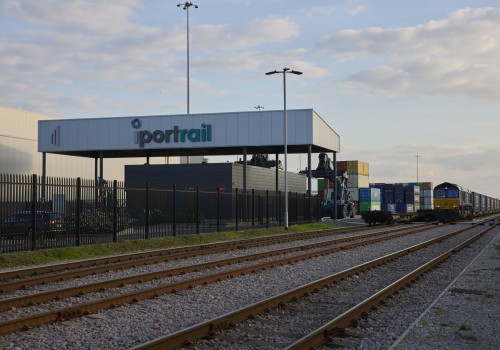
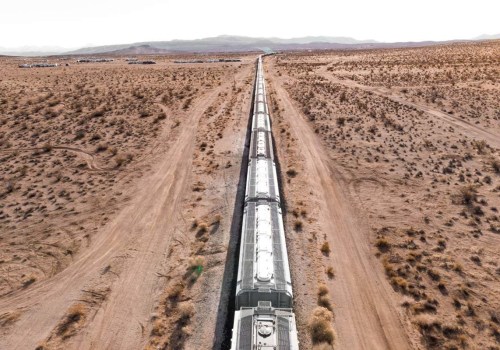
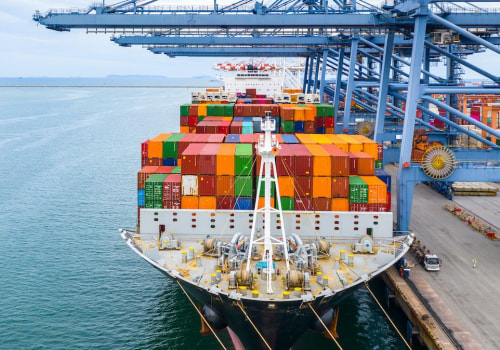
As e-commerce and wholesale distribution continue to expand, businesses are searching for transportation methods that can move large quantities of goods efficiently while controlling costs. Rail freight services have become an essential component of modern supply chains by offering reliable long-distance transportation for a wide range of products. From consumer goods and electronics to clothing and industrial supplies, rail networks help connect manufacturers, distribution centers, and retail markets across extensive geographic regions. By transporting high volumes of cargo in a single trip, rail freight reduces congestion on highways while providing businesses with a dependable option for meeting increasing customer demand. This balance of capacity, efficiency, and reliability makes rail transportation an important part of logistics strategies for companies serving both wholesale buyers and online consumers.
Improving Supply Chain Efficiency
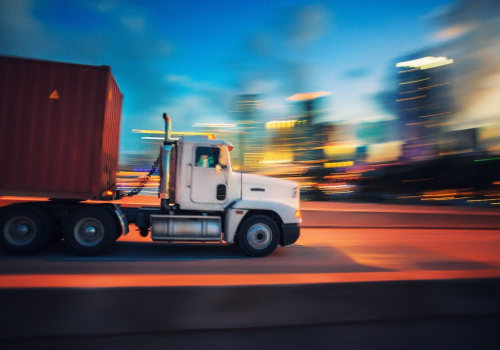
One of the greatest advantages of rail freight is its ability to move large shipments consistently over long distances. Businesses can transport inventory from manufacturing facilities to regional warehouses where products are sorted and prepared for final delivery. This approach helps reduce transportation costs per unit while maintaining steady inventory levels throughout the supply chain. Rail freight also integrates well with trucking services, creating an intermodal transportation system that combines the strengths of both methods. Products can travel efficiently by rail for the majority of the journey before being transferred to trucks for local delivery. Companies looking to expand inventory capacity during busy sales periods may also decide to rent now for temporary storage space, allowing incoming shipments to be managed more effectively before products are distributed to retailers or shipped directly to customers.
Supporting E-Commerce Fulfillment
Online shopping has significantly increased expectations for fast and reliable deliveries. To meet these expectations, retailers require a continuous flow of inventory into fulfillment centers. Rail freight services support this process by moving bulk shipments to strategically located distribution hubs, ensuring warehouses remain stocked with popular products. This reduces the likelihood of inventory shortages while helping businesses prepare for seasonal demand, promotional campaigns, and product launches. Because rail transportation can accommodate large cargo volumes, retailers are able to replenish stock more efficiently without relying exclusively on long-haul trucking. Maintaining a consistent supply of inventory enables e-commerce businesses to process customer orders quickly and improve overall service levels.
Strengthening Wholesale Distribution Networks
Wholesale distributors depend on reliable transportation to keep retailers, manufacturers, and commercial customers supplied with products. Rail freight provides an economical solution for transporting palletized goods, raw materials, and packaged merchandise across regional and national markets. Its high carrying capacity makes it especially valuable for businesses that regularly move substantial inventory volumes. By coordinating rail shipments with warehouse operations and local delivery networks, wholesalers can reduce transportation expenses while maintaining dependable delivery schedules. Efficient logistics also allow distributors to respond more effectively to changing market demand, supporting stronger relationships with suppliers and customers alike. This coordinated approach helps businesses remain competitive in industries where timely product availability is essential.
Building a More Resilient Distribution Strategy
As supply chains become increasingly complex, businesses benefit from transportation solutions that offer both flexibility and scalability. Rail freight services provide a dependable foundation for moving goods over long distances while working alongside trucking, warehousing, and fulfillment operations to create an integrated logistics network. This combination helps reduce costs, improve inventory management, and support consistent product availability across multiple markets. Whether serving wholesale clients or fulfilling thousands of online orders each day, companies that incorporate rail freight into their distribution strategies are better positioned to handle growth, adapt to shifting customer demand, and maintain efficient operations. By leveraging the strengths of rail transportation within a broader logistics plan, businesses can build more resilient supply chains that support long-term success in today's competitive marketplace.