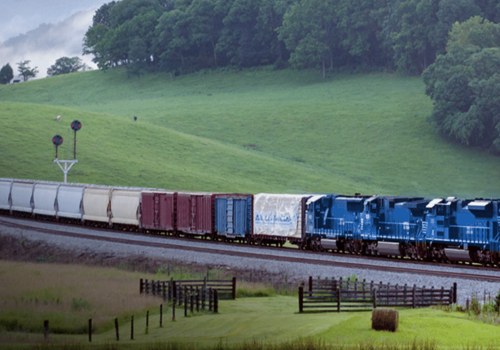
Efficient logistics is not just about moving goods from one place to another—it also involves managing the byproducts that come with transportation and industrial activity. Rail freight services, known for their cost-effectiveness and lower environmental impact compared to road transport, play a significant role in large-scale supply chains. However, with increased freight movement comes the responsibility of handling waste generated at terminals, warehouses, and loading facilities. Managing waste effectively alongside rail freight operations ensures not only regulatory compliance but also improved operational efficiency and sustainability.
Understanding Waste Sources in Rail Freight Operations
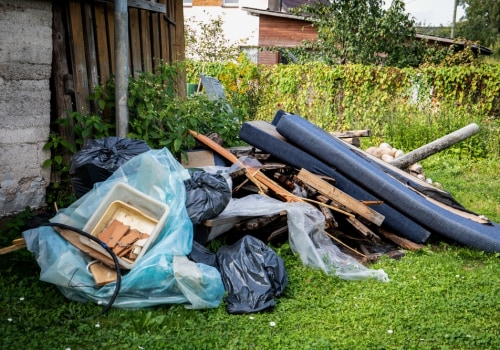
Rail freight hubs generate various types of waste, including packaging materials, damaged goods, fuel residues, and maintenance-related debris. These waste streams can quickly accumulate if not addressed systematically. For example, loading docks often deal with pallets, plastic wraps, and cardboard, while maintenance yards may produce oils, lubricants, and scrap metal. Without a structured waste management plan, these materials can create safety hazards, slow down operations, and negatively impact the surrounding environment. This is where a proactive approach becomes essential, integrating waste handling into the daily workflow of freight management.
Strategic Waste Segregation and Disposal
One of the most effective ways to manage waste alongside rail freight services is through proper segregation at the source. By categorizing waste into recyclables, hazardous materials, and general waste, facilities can streamline disposal processes and reduce landfill contributions. Recycling programs for materials like metal, wood, and plastic not only minimize environmental impact but can also generate cost savings. Partnering with professional waste management providers ensures that disposal methods meet local regulations and environmental standards. Businesses often rely on services like Waste Away Services LLC to handle complex waste streams efficiently, allowing rail freight operations to focus on their core logistics functions without compromising compliance.
Enhancing Operational Efficiency Through Waste Management
Effective waste management directly contributes to smoother rail freight operations. Clean and organized facilities reduce the risk of accidents, improve employee productivity, and enhance the speed of loading and unloading processes. When waste is promptly removed and properly handled, there is less clutter in work areas, which leads to better workflow and time management. Additionally, maintaining a tidy environment reflects professionalism and can improve relationships with partners, clients, and regulatory bodies. Integrating waste management into logistics planning ensures that it becomes a seamless part of operations rather than an afterthought.
Sustainability and Environmental Responsibility
As industries move toward more sustainable practices, combining rail freight services with responsible waste management creates a powerful environmental advantage. Rail transport already reduces carbon emissions compared to trucking, and when paired with recycling initiatives and proper waste disposal, it significantly lowers the overall environmental footprint of supply chains. Companies that prioritize sustainability not only contribute to environmental preservation but also strengthen their brand reputation. Customers and stakeholders increasingly value businesses that demonstrate a commitment to eco-friendly practices, making waste management a strategic investment rather than just an operational necessity.
Planning for Long-Term Success
Managing waste effectively alongside rail freight services requires continuous evaluation and improvement. Businesses should regularly assess their waste generation patterns, update their disposal strategies, and invest in employee training to ensure compliance and efficiency. Technology can also play a role, with tracking systems that monitor waste volumes and identify opportunities for reduction. By taking a long-term approach, companies can create a more resilient and sustainable logistics framework that supports both operational goals and environmental responsibilities.
Incorporating waste management into rail freight operations is not just about cleanliness—it’s about creating a system that enhances efficiency, reduces costs, and supports sustainable growth. When done right, it becomes a vital component of a well-rounded logistics strategy.