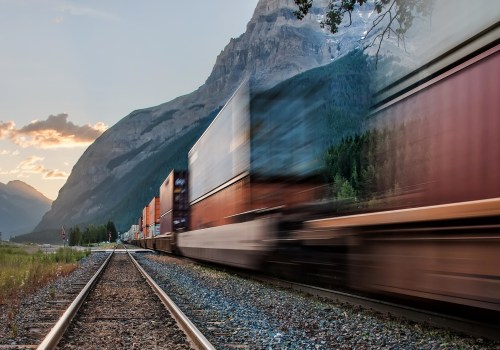
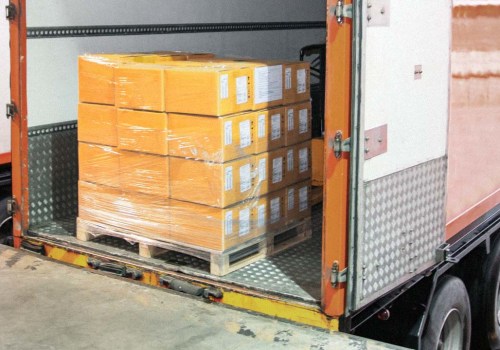
As industries expand and supply chains become increasingly complex, the need for flexible, scalable storage solutions has grown significantly. Manufacturing, retail, agriculture, automotive, and construction sectors are all experiencing fluctuations in inventory levels driven by seasonal demand, global sourcing, and e-commerce acceleration. Businesses no longer rely solely on static warehouse footprints; instead, they require adaptable systems that can accommodate surges in materials, equipment, and finished goods. Rail freight services have emerged as a vital component in supporting these expanding storage needs. By moving large volumes of goods efficiently across long distances, rail networks reduce congestion in traditional storage facilities while enabling companies to position inventory strategically near distribution hubs. This capability allows businesses to maintain leaner core warehouses while still having access to overflow storage options supported by reliable transportation infrastructure.
Rail Freight as a Strategic Storage Extension
Rail freight services function as more than just transportation channels—they act as extensions of modern storage strategies. Railcars themselves can serve as temporary storage units, holding bulk commodities such as grain, chemicals, lumber, or steel until facilities are ready to receive them. This flexibility is particularly valuable for industries facing unpredictable market shifts or supply chain disruptions. For example, agricultural producers can store harvested crops in railcars positioned along sidings near processing plants, reducing spoilage risk while maintaining shipment readiness. Similarly, manufacturers can stage raw materials in rail yards close to production facilities, ensuring just-in-time availability without overcrowding on-site warehouses.
In addition to industrial materials, rail freight supports the storage and relocation of specialized assets such as heavy machinery, construction equipment, and large vehicles. As development projects expand across regions, rail transport enables companies to reposition these assets efficiently, preventing long-term storage bottlenecks. Storage providers often complement this process by offering secure facilities near rail lines, creating integrated logistics ecosystems. Businesses looking to manage surplus vehicles or seasonal equipment may partner with facilities like A-1 RV AND BOAT STORAGE, aligning secure storage capacity with dependable freight routes to maintain operational fluidity.
Cost Efficiency and Sustainability Benefits
Another critical advantage of rail freight in supporting storage expansion is cost efficiency. Rail can move one ton of freight hundreds of miles on a single gallon of fuel, making it one of the most economical and energy-efficient transportation methods available. Lower transportation costs translate into reduced overhead for businesses managing distributed storage networks. Instead of consolidating all goods in one large warehouse, companies can leverage multiple regional storage sites connected by rail, balancing inventory more effectively while controlling expenses.
From a sustainability perspective, rail freight produces fewer greenhouse gas emissions compared to road transport. As environmental regulations tighten and corporate sustainability goals become more prominent, organizations are increasingly seeking logistics solutions that minimize their carbon footprint. Rail’s efficiency helps companies meet these objectives while still expanding their storage capabilities. This alignment between operational growth and environmental responsibility is especially important for industries managing high-volume goods or long-distance supply chains.
Strengthening Resilience Across Industries
Ultimately, rail freight services enhance resilience across industries by offering dependable, scalable connections between production, storage, and distribution points. In times of supply chain volatility—whether due to market fluctuations, labor shortages, or global disruptions—rail provides a stable backbone that supports inventory redistribution and overflow storage management. By integrating rail freight into broader logistics planning, businesses gain the flexibility to adapt quickly without compromising service levels or storage security. As industries continue to grow and diversify, the strategic partnership between rail transportation and evolving storage solutions will remain essential in maintaining efficiency, stability, and long-term competitiveness.