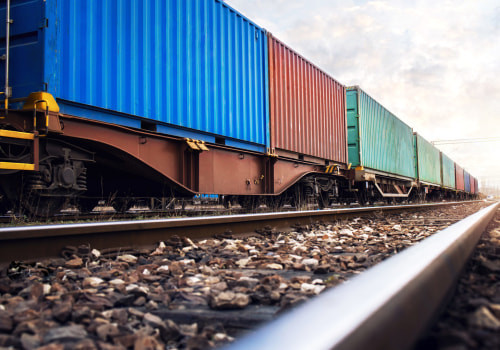
Rail freight is an efficient option for moving large quantities of goods over long distances, but shipments do not always move directly from their point of origin to their final destination. Freight may need to wait for connecting transportation, warehouse availability, unloading schedules, or customer pickup. Temporary storage can provide the flexibility needed to manage these timing gaps without disrupting the entire logistics process. Instead of allowing goods to remain in congested terminals or delaying incoming shipments, businesses can place inventory in a secure storage location until the next transportation stage is ready. This approach helps freight operators and businesses maintain smoother schedules while reducing pressure on rail yards, distribution centers, and receiving facilities.
Managing Delays and Schedule Changes
Rail transportation can be affected by weather, maintenance work, track congestion, equipment availability, and changes in shipping demand. Even small delays can create challenges when freight must immediately transfer to trucks or another rail line. Temporary storage gives businesses more control when unexpected schedule changes occur. Goods can be moved away from the rail terminal and stored until transportation becomes available. This prevents shipments from sitting unnecessarily in loading areas while also giving logistics teams additional time to coordinate the next stage of delivery. Facilities such as Antioch Storage Solutions can serve as a practical option when freight, equipment, or inventory requires a temporary holding location during transportation transitions.
Supporting Intermodal Transportation
Many rail freight shipments are part of an intermodal transportation system involving trains, trucks, ships, or other delivery methods. Coordinating each mode can be complicated because arrival and departure schedules do not always align perfectly. Temporary storage acts as a buffer between transportation methods, allowing goods to remain organized while logistics providers arrange pickup or delivery. For example, a train may arrive before the trucking company scheduled to transport the freight to a regional warehouse. Rather than forcing immediate coordination, the shipment can be stored temporarily until trucks and drivers are available. This additional flexibility can help businesses reduce unnecessary transportation costs while improving overall supply chain efficiency.
Handling Seasonal Inventory Changes
Temporary storage can also be valuable for businesses that experience seasonal changes in demand. Retailers, manufacturers, agricultural companies, and distributors may receive large rail shipments before they are ready to use or distribute the products. Placing excess inventory in temporary storage allows businesses to accept shipments according to favorable transportation schedules without overcrowding their primary warehouses. Inventory can then be moved gradually as demand increases. This method can be especially useful during busy periods such as holiday seasons, construction cycles, agricultural harvests, or major product launches when transportation networks and warehouses may be operating near capacity.
Improving Organization and Inventory Control
Well-managed temporary storage can make freight easier to track and organize between rail transportation stages. Businesses can separate shipments according to destination, customer, product type, or delivery schedule. Clearly labeled pallets, containers, and equipment can then be released as needed rather than moved all at once. Maintaining accurate inventory records also helps logistics teams know exactly what is being stored and when it needs to leave the facility.
Creating a More Reliable Freight Process
Temporary storage ultimately gives rail freight operations greater flexibility when schedules, transportation connections, or warehouse capacity change. By creating a secure buffer between different stages of transportation, businesses can reduce congestion, manage delays, organize seasonal inventory, and coordinate intermodal deliveries more efficiently. When incorporated into a broader logistics strategy, temporary storage can help keep goods moving smoothly from their origin to their final destination while reducing many of the complications associated with strict transportation schedules.