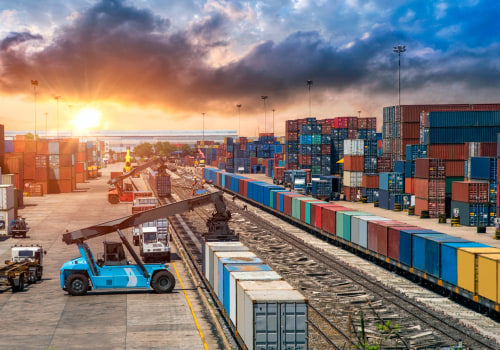
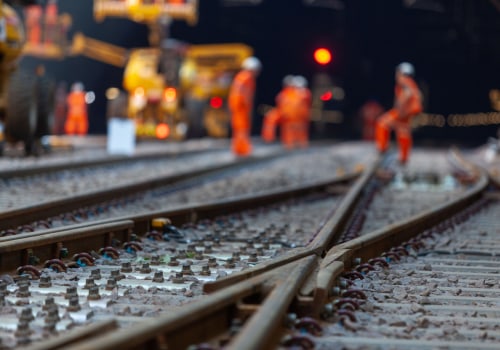
Rail freight services play a vital role in supporting industries that require the efficient movement of large quantities of goods across long distances. From manufacturing materials and agricultural products to consumer goods and industrial equipment, rail transportation provides businesses with a reliable and cost-effective shipping solution. Many companies rely on rail networks to move cargo between ports, warehouses, distribution centers, and production facilities while reducing transportation costs compared to other shipping methods. Rail freight is particularly valuable for bulk shipments because it offers consistent schedules, impressive carrying capacity, and improved fuel efficiency. As supply chains continue to evolve, businesses depend on well-coordinated rail operations to maintain inventory levels, fulfill customer orders, and meet production deadlines. Effective planning between rail carriers, trucking companies, and warehouse operators ensures products reach their destinations with minimal delays and maximum efficiency.
Business Travel Remains Essential Alongside Freight Operations
Although rail freight focuses on transporting cargo rather than passengers, many businesses involved in logistics still require dependable transportation for employees, executives, clients, and business partners. Managers frequently travel between rail terminals, distribution facilities, manufacturing plants, corporate offices, and customer locations to oversee operations and strengthen business relationships. Investors, vendors, consultants, and visiting executives may also require transportation while attending meetings, facility tours, or industry events. Coordinating these movements efficiently contributes to smoother business operations by ensuring key personnel arrive on time and remain focused on their responsibilities. Reliable passenger transportation becomes particularly valuable in unfamiliar cities, where navigating traffic, locating parking, or arranging multiple rides can create unnecessary distractions. By streamlining travel logistics, businesses allow employees and visitors to dedicate more attention to strategic planning, operational oversight, and customer engagement.
Professional Transportation Enhances the Business Experience
Companies that regularly interact with suppliers, customers, or industry partners understand that every detail contributes to a professional image. Providing dependable transportation demonstrates organization, reliability, and a commitment to delivering a positive experience from beginning to end. Professional chauffeur services offer scheduled pickups, comfortable vehicles, experienced drivers, and dependable service that accommodates demanding business itineraries. This level of convenience is especially beneficial during conferences, contract negotiations, corporate events, or site visits involving multiple destinations throughout the day. Businesses operating alongside major rail freight corridors can simplify travel for visiting stakeholders by partnering with trusted transportation providers. Choosing a reputable service such as Supreme Lane Limo Service helps create a seamless travel experience while reducing concerns about traffic, navigation, or coordinating transportation between airports, hotels, offices, and rail facilities. Reliable passenger transportation complements business logistics by supporting productivity and minimizing unnecessary travel-related stress.
Integrated Transportation Supports Long-Term Business Success
Successful supply chains rely on more than the efficient movement of cargo alone. They also depend on the people who manage operations, build partnerships, negotiate contracts, and oversee strategic decisions throughout the logistics process. Rail freight services provide an economical method for transporting products over long distances, while professional passenger transportation ensures decision-makers can travel comfortably and efficiently between important business locations. Together, these transportation services contribute to stronger communication, improved operational coordination, and enhanced customer service. Businesses that carefully plan both freight logistics and executive travel often experience smoother operations because every aspect of transportation receives appropriate attention. As industries continue expanding across regional and national markets, integrated transportation solutions become increasingly valuable for maintaining efficiency and supporting sustainable growth. By recognizing the complementary roles of cargo movement and passenger transportation, organizations can strengthen their logistics strategies while providing a more organized, reliable, and professional experience for employees, clients, and business partners alike.