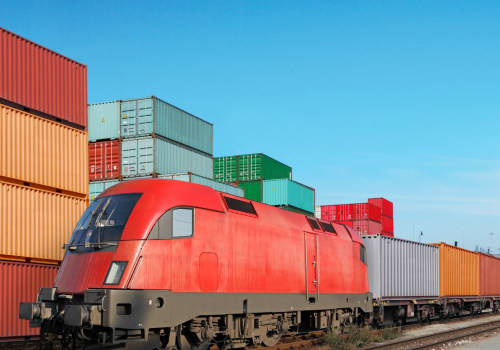
Rail freight services remain a cornerstone of urban supply chains, moving bulk commodities, construction materials, consumer goods, and industrial equipment efficiently into metropolitan areas. Because trains can transport large volumes at lower per-unit costs compared to long-haul trucking, rail corridors often become magnets for warehouses, distribution centers, and light manufacturing facilities. As these commercial clusters develop around rail terminals and intermodal yards, surrounding neighborhoods experience increased economic activity, employment growth, and population movement. This expansion creates ripple effects that extend beyond logistics, influencing real estate demand and urban property utilization patterns—including the growth of self storage facilities.
When rail freight strengthens a city’s role as a distribution hub, small businesses frequently emerge to support that ecosystem. Contractors, retailers, and independent distributors rely on regular freight deliveries but may not maintain large warehouse footprints. Instead, they look for flexible storage solutions that allow them to manage fluctuating inventory volumes without committing to expensive industrial leases.
Supporting Small Businesses and Inventory Flexibility
Urban self storage facilities benefit directly from this pattern of rail-driven commerce. As materials arrive by train and are distributed locally, smaller operators often need short-term or medium-term storage to bridge supply and demand cycles. A contractor receiving building supplies via rail may store surplus materials until project phases require them. Retail entrepreneurs may temporarily house inventory in secure units before distributing products to storefronts or customers.
Facilities such as Airway Heights Mini-Storage exemplify how strategically positioned storage properties can complement rail-linked commercial zones. By offering accessible units near transportation corridors, these facilities provide cost-effective space for entrepreneurs who depend on consistent freight flows. The flexibility of month-to-month leases allows businesses to scale storage needs alongside seasonal demand without incurring long-term commitments.
Urban Density and Residential Storage Demand
Rail freight services also contribute to urban density. As transportation networks expand and employment opportunities increase near rail hubs, residential development often follows. Growing populations in urban areas frequently encounter limited living space, particularly in apartment complexes or mixed-use developments. This density fuels demand for self storage facilities where residents can store seasonal items, recreational gear, or surplus household belongings.
In cities shaped by rail infrastructure, the intersection of commercial and residential storage demand becomes particularly pronounced. Workers relocating for logistics-related employment may require temporary storage during moves. Small home-based businesses serving rail-connected industries may use storage units to manage supplies and equipment. In this way, rail freight indirectly stimulates consistent occupancy within urban storage facilities.
Infrastructure Resilience and Long-Term Growth
Rail networks provide reliability during periods of transportation volatility, such as fuel price spikes or highway congestion. This stability supports sustained commercial operations within rail-served cities. As long as freight continues to move predictably, the surrounding economy remains active—benefiting industries that rely on adaptable space solutions.
Urban self storage facilities positioned within reach of rail corridors can therefore experience steady demand tied to ongoing logistics activity. By aligning development strategies with transportation infrastructure, storage operators create long-term resilience.
Ultimately, the connection between rail freight services and urban self storage facility expansion lies in economic synergy. Rail drives commerce and population growth, while storage facilities provide the flexible space necessary to support that momentum. Together, they form interconnected components of modern urban development.