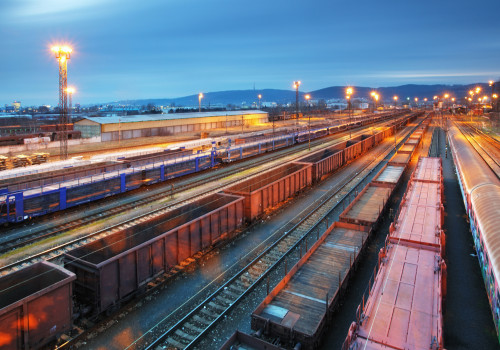
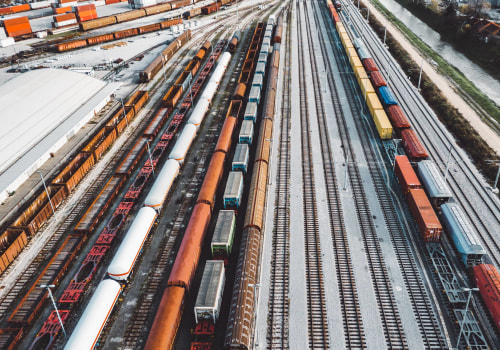
Rail freight services are experiencing a powerful resurgence as global supply chains evolve to meet rising demand, sustainability goals, and the need for cost efficiency. Traditionally known for moving bulk commodities such as coal, grain, and industrial materials, rail transport is now becoming a cornerstone of integrated logistics systems. With advancements in infrastructure, automation, and digital tracking, rail freight is no longer just a backend solution—it is a strategic asset in modern distribution networks. Businesses are increasingly recognizing the value of rail for long-haul transportation due to its ability to move large volumes at lower costs while reducing carbon emissions compared to road freight. This shift is especially important as companies seek greener supply chain alternatives without compromising speed or reliability.
Integration with Storage and Distribution Networks
One of the most significant developments in rail freight is its growing integration with storage and logistics hubs. Intermodal transport systems—where goods move seamlessly between rail, truck, and sometimes sea—are redefining efficiency. Rail terminals are being designed alongside warehousing facilities to minimize handling times and reduce transit delays. This close integration allows businesses to optimize inventory management, ensuring that goods are stored strategically and distributed quickly based on demand. Storage facilities are no longer passive holding spaces; they are active components of a synchronized logistics ecosystem. Companies such as Greison Storage Mart highlight how modern storage providers are adapting to this trend by offering flexible solutions that align with transportation schedules and supply chain needs. The result is a more agile system where goods can move from railcars to storage units and onto delivery vehicles with minimal friction.
Technology Driving Efficiency and Visibility
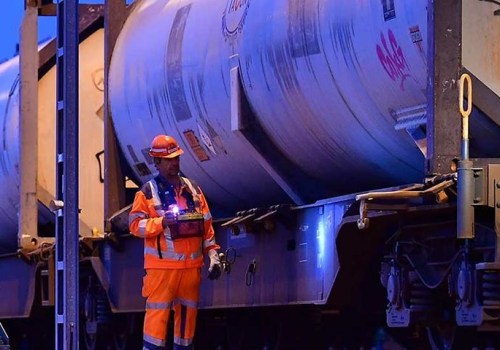
Technology is playing a central role in shaping the future of rail freight and storage integration. Real-time tracking systems, IoT-enabled sensors, and AI-driven logistics platforms are providing unprecedented visibility into the movement of goods. Businesses can now monitor shipments across multiple modes of transport, predict delays, and adjust logistics strategies proactively. Automated rail yards and smart warehouses further enhance efficiency by reducing manual labor and minimizing errors. These innovations not only improve operational performance but also build trust with customers who expect transparency and reliability. As data becomes more integrated across systems, the line between transportation and storage continues to blur, creating a unified logistics environment.
Sustainability and Long-Term Impact
Sustainability is another major factor driving the integration of rail freight and storage solutions. Rail transport is significantly more fuel-efficient than trucking, making it an attractive option for companies aiming to reduce their environmental footprint. When combined with strategically located storage facilities, rail freight can help minimize unnecessary transportation and optimize delivery routes. This integrated approach supports long-term environmental goals while also delivering cost savings. Governments and private sectors alike are investing in rail infrastructure and green logistics initiatives, further accelerating this trend. As urban centers grow and congestion increases, rail-based logistics systems will play a crucial role in maintaining efficient supply chains.
Looking Ahead: A Connected Logistics Future
The future of logistics lies in connectivity, and rail freight is poised to be at the center of this transformation. As businesses continue to adopt integrated supply chain models, the collaboration between rail services and storage providers will become even more critical. The ability to coordinate transportation, storage, and distribution in a seamless manner will define competitive advantage in the years ahead. With ongoing advancements in technology and infrastructure, rail freight is no longer just a traditional mode of transport—it is a key driver of innovation in logistics. Companies that embrace this integrated approach will be better equipped to navigate the complexities of global trade while meeting the demands of speed, sustainability, and scalability.